

POWDER STICK PACKS
Healthy Food Stick Processing With OEM Method
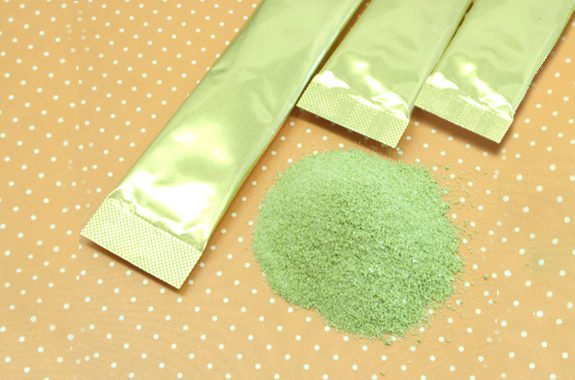
We manufacturing powdered stick packs for healthy food with the OEM method.
Even fine-grained raw ingredients could be manufactured smoothly with the stick packaging machine and auger filler.
Six units of the machine run with maximum capacity. Therefore, manufacturing with a large amount is no longer a concern.
Related Products
-
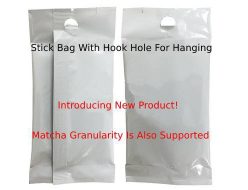
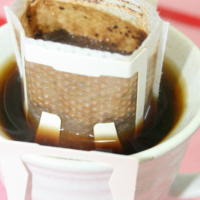
Processing 50mm Width Stick Pack With Hook Hole – Filling Process For ~ 20g Latte Or Instant Coffee (Food Product Included)
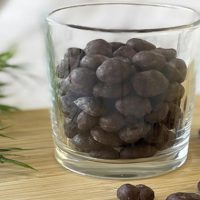
We can manufacture 50mm width stick packs with a hook hole on top of the package. The filling process will handle various types of raw ingredients. In addition to granule ingredients filling such as instant coffee, matcha latte, and corn soup, various food ingredients such as rice, wheat, and beans can be filled.
-
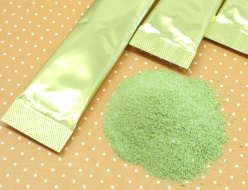
Processing 40mm Width Stick Pack – Filling Process For ~ 20g Latte Or Instant Coffee (Food Product Included)
20gのインスタント原料スティック加工充填が可能です。
-
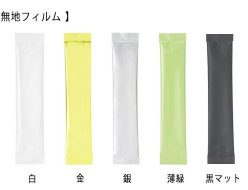
Plain Stick Processing: 35mm Width
The 35mm width plain color stick satchels for various raw ingredients filling process. The stick package’s film has excellent barrier characteristics such as light-shielding, moisture-proof, fragrance-retaining, and some other barrier properties, which are best for food packaging.
-
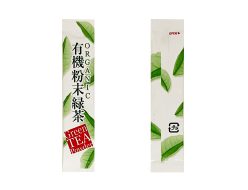
Organic Powder Green Tea
Stick pack with 25mm width that is suitable for organic powder green tea raw material. The stick pack's film has excellent barrier characteristics such as light-shielding, moisture-proof, fragrance-retaining, and some other barrier properties, which are best for food packaging. In addition, it is easy to cut and can be opened from anywhere on the pack without using scissors.
-
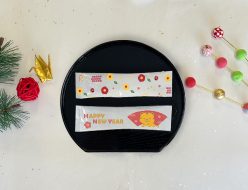
Stick Pack Processing With New Design For “New Year”
For the celebration of the New Year 2022, we processing stick pack teabag with a special Japanese Traditional Design for the exterior package. We also accept the creation of a new original exterior package film, or the customer could choose their exterior package film to proceed with the filling process.
-
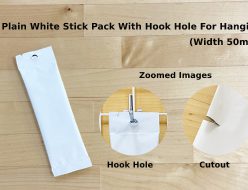
White Plain Stick With Hook Hole For Hanging (50mm width)
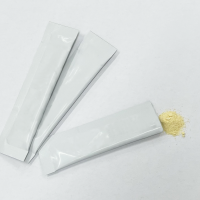
White plain stick with hook hole manufacturing for hanging. Moreover, its light-shielding properties, moisture resistance, aroma retention are some of the best barriers properties that this product could offer to our customers for the excellent food packaging material. It is easy to open without using the scissor. Matcha or other health food granule can be filled in this type of package.

![[Reduce CO2 Emission] Introducing “Biomass-derived Ink” For Stick Pack Film Printing](/wp-content/uploads/2022/05/biomass_ink_580px-200x200.jpg "[Reduce CO2 Emission] Introducing “Biomass-derived Ink” For Stick Pack Film Printing")
![[Cosmetic Production] Offering Wide Range Of Support From Small Amount Filling For Sample Product, To High Degree Difficulty Of Filling Process](/wp-content/uploads/2021/11/22147373_s-200x200.jpg "[Cosmetic Production] Offering Wide Range Of Support From Small Amount Filling For Sample Product, To High Degree Difficulty Of Filling Process")


![[Case Study] Restarting A Currently Inaccessible Website](/wp-content/uploads/2019/04/cases_5078280_m_R-200x200.jpg "[Case Study] Restarting A Currently Inaccessible Website")